


Mrodair Airmax Compressor Review: Prep, Poor Build Quality, Fixes, Ultimately Unsafe for Use
For those working on their MrodAir Airmax Extreme compressor, this thread is both a resource and report of my own experience. Work on my compressor evolved over time. Initially, the focus was preparing the compressor for a longer life, easier maintenance scheduling, and safer operation. As issues were discovered, this devolved into troubleshooting, fixes, and currently finding my compressor unsafe to use until an oil-in-air problem fix is found at Mrodair.
You can follow my journey beginning in October last year http://www.talonairgun.com/forum/viewtopic.php?f=52&t=33430
This thread is that Guinea Pig thread’s more useful successor.
The first few posts in this thread cover major topics. The major topic posts continually undergo editing to keep information up to date. They do not attempt to preserve chronology. Posts after the major topics are chronologic, just as in any normal thread.
NB. Changes in the major topic posts are not flagged as new by the BBS system.
===========================
Disclaimer: Material presented here may be incomplete or inaccurate.
Work you undertake on a compressor is expressly at your own risk.
===========================
Introduction
I pre-ordered my Airmax compressor from MrodAir after watching their product introduction video and reading the website. My impression was that the compressor would be a mid-priced, mid-performance machine suitable for my limited, single shooter needs. The promise that a US outfit would be going over the units and making sure they worked was reassuring. With its advertised “silicon bronze rings”, “3 cylinders”, and real pistons, this seemed a happy medium between an o-ring based compressor and the “overkill” of a dive compressor.
We were reassured by MrodAir that each unit would be tested and that they had arranged many upgrades. These compressors would be long lasting, “real deal” compressors. As an airgun newbie, I was unfamiliar with MrodAir. There were some negative online reviews, but I also know that online reviews often trend towards the negative – even unfairly. I took a chance, ordered a compressor, and promised to report my experience on this forum.
My desire was a compressor that would let me fill or top up a tank reliably. I was only a single shooter, but the convenience of ready air was enticing. Also, the ability to use high air consuming items, like regulator testers, made a compressor/tank combo a nice step up from hand pumping.
My experience has not been consistent with a ready to go, fully developed product. Others have fared both better and worse than I. There are issues potential buyers should know before purchase.
False Advertising
There were factual inaccuracies in the product advertising at MrodAir. These incorrect details affected my decision to place an order. Had they been accurate, I might not have placed an order.
As described on the product page when I ordered the machine…
No, this is a TWO stage compressor. Only two cylinders do actual compression. Although the 2nd stage piston rides atop a carrier piston, that carrier piston does zero compression work. It is drilled through and lacks air inlet or outlet. It is simply not a compression cylinder. The compressor can still achieve 4500 psi by making the two stages work harder, but the 3 cylinder count is a factual error. I am only counting cylinders that perform compression. Otherwise, one could lash a six-pack of beer to the compressor and dub it a 9 cylinder compressor. Two cylinders means each must do more work than in a three stage machine. There is also less chance for interstage cooling of the compressed air.
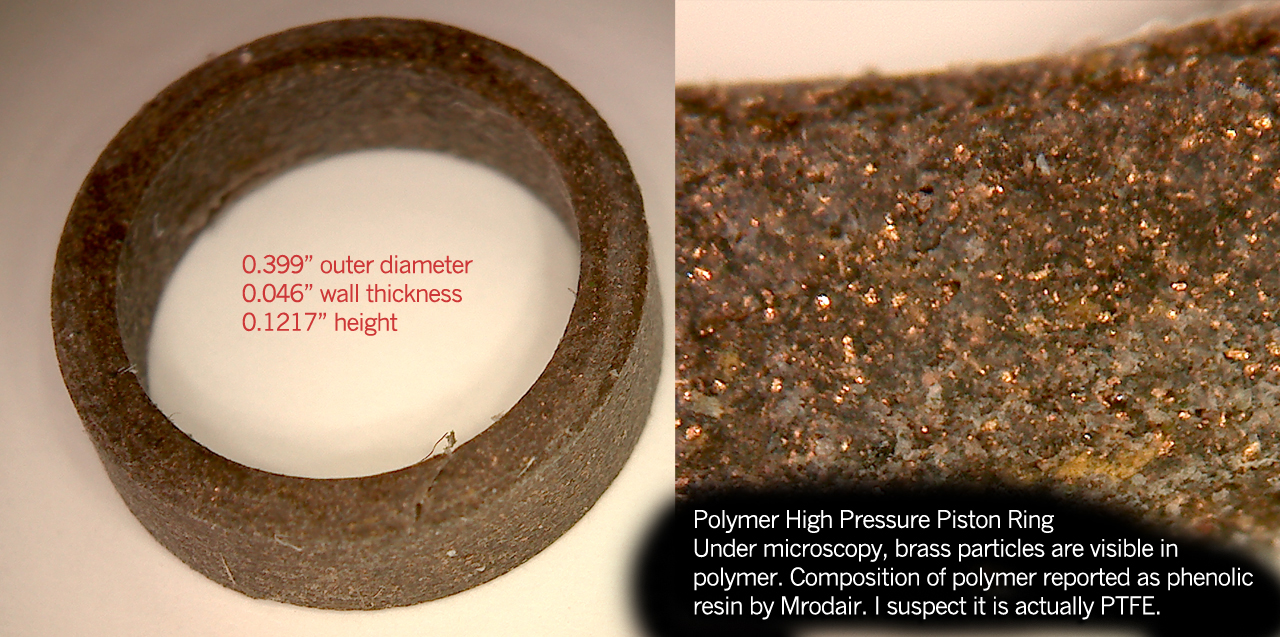
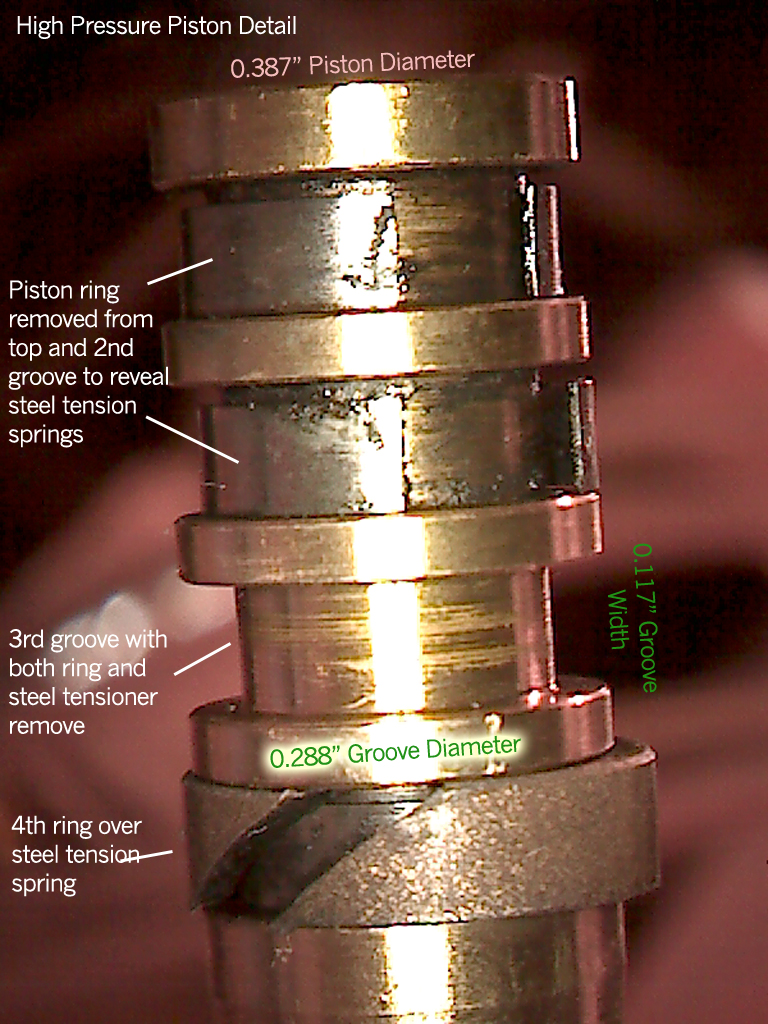
Silicon bronze piston rings were prominently mentioned as a feature of the compressor. This gave the impression that rebuild intervals would be consistent with that of metal piston rings. I was surprised to find my 2nd stage piston rings were not metallic. The rings resisting the greatest heat and pressure, are polymer
Several other owners confirmed that the high pressure cylinder rings. I informed MrodAir and the initial reaction was that I was wrong. Their website continued to advertise these compressors as having silicon bronze rings for several days more.
Piston ring description was adjusted as of 4/22/2016. The high pressure rings are now described as silicon bronze suspended in phenolic resin and the low pressure rings as traditional cast iron. The number of cylinders advertised remains three.
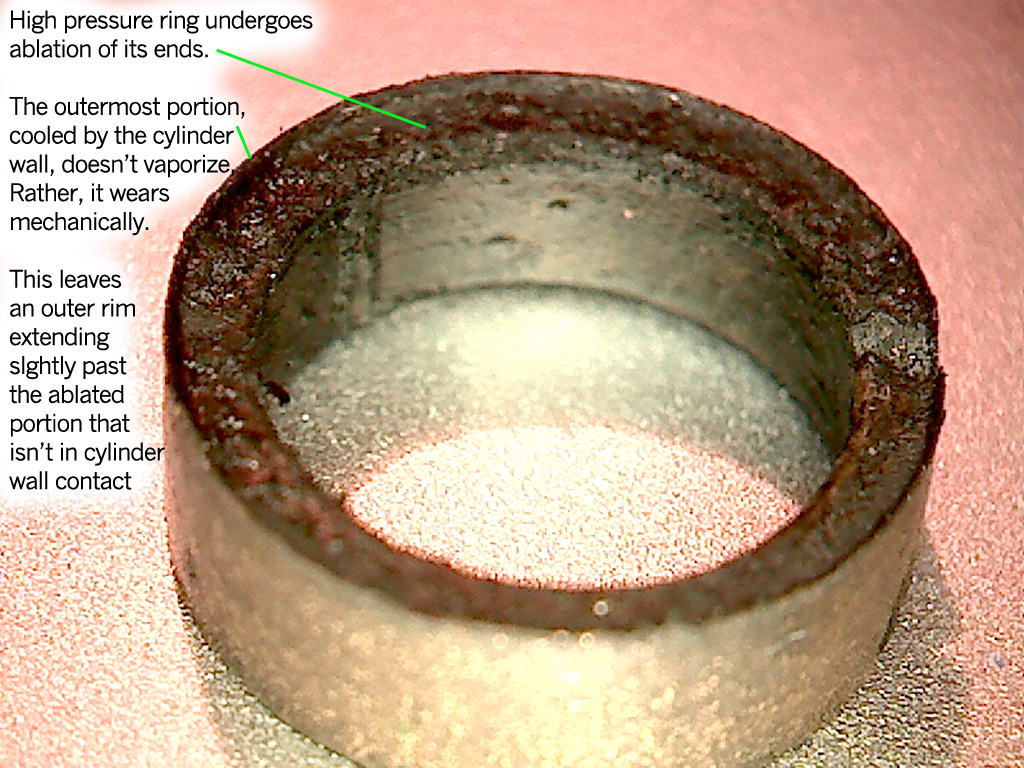
Because the 2nd stage rings are now known to be a less durable material than silicon bronze, having replacements is even more important. The high pressure rings look like angle cut wear rings. They are soft and easily indent with a fingernail. Heat, flame and smell testing of one from my compressor makes me think these are actually silicon bronze filled PTFE wear rings. I would like to find a second source. I have yet to find a source for bronze filled phenolic resin rings, but silicon bronze filled PTFE wear rings do exist.
Durability and duty cycle should be scaled back in your mind. Filling a 88 cf tank in one session stresses the compressor to its limit. A reasonable expectation would be to top off a tank once in a while or fill a gun directly. Long term torture testing suggests 20 minute max run times. http://www.gatewaytoairguns.org/GTA/index.php?topic=107945.0
Technically, the compressors are 120 volt units, but they need a 30 amp service outlet to run properly. A 20 amp circuit is insufficient. My own unit draws about 24-27 amps during operation. It is simply too large a current draw to safely run on a 20 amp circuit. Perhaps one could get away with it for filling a gun directly, but topping or filling a tank is asking a lot of a 20 amp circuit.
Electrical Hazard
My unit arrived with two major electrical components (relay and contactor) hanging loose. Each was held in place only by the wires connected to them. A consumer who receives the machine reasonably expects safe and secure wiring. If your unit arrives in the state mine did, disaster will happen in short order.
The compressor is not grounded. Grounding pin of its AC power socket is connected to ….. nothing. This machine has a semi-open, metal frame, uses water for cooling, and is not grounded.
An under capacity 15 amp IEC receptacle connects the AC power cord to the compressor. The IEC connector is only 15 amp rated, well below the actual current draw of the compressor. The IEC power connector can overheat or starve the machine of adequate power.
Electrical wring skills can correct these shortcomings. It is doable, but for a vetted design and build, the average buyer should not need to do electrical rework.
Air Quality with Heavy Oil Contamination, (Critical Go/No Go Safety Item)
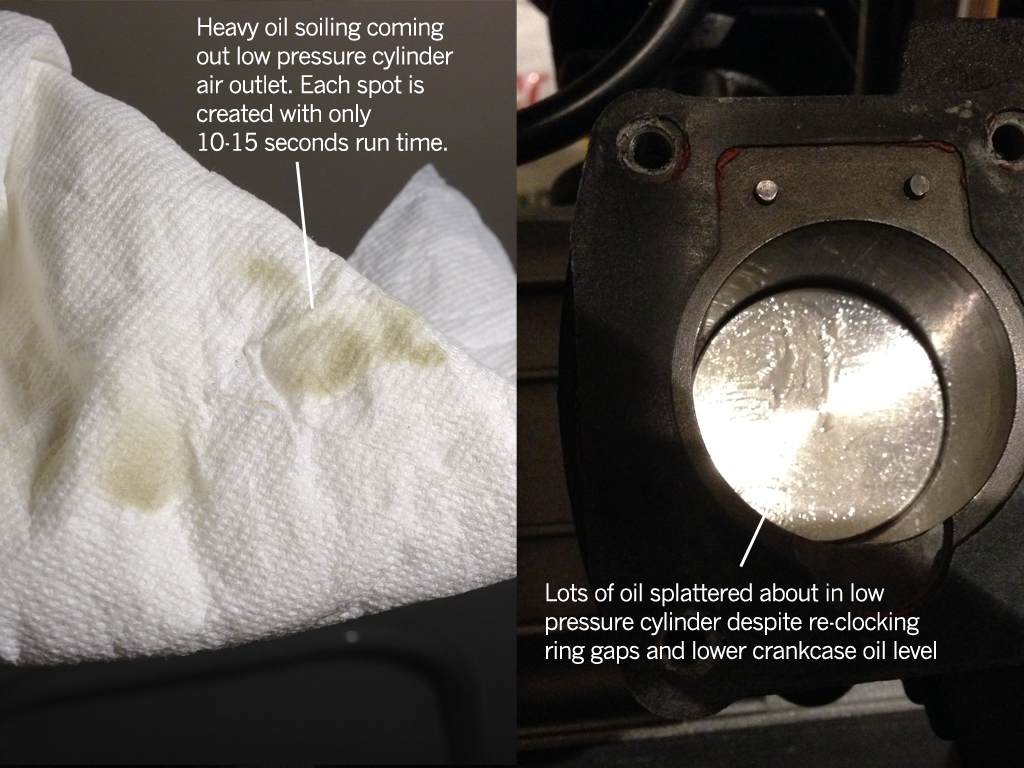
My unit, and that of some other owners, continually passes oil from the crankcase into the low pressure cylinder. Oil that gets into the air path oxidizes (maybe even diesels) at the high pressure cylinder, fouling that cylinder’s rings and valves. The remaining oil goes on to the water separator and MUST be filtered out before it reaches a gun or tank. A little oil is not uncommon for a compressor, but it must be removed with a filter before it gets into your tank or gun. My unit splatters oil all about in the low pressure cylinder. Bleeding the separator filled my garage with suspended oil vapor. Not all units have this problem. Mine does and so do some other owner’s. This is distinct from being shipped with oil in the crankcase. It’s actively putting more oil into the cylinder with each stroke.
This oiling issue should be tested before one puts the compressor into use. An affected compressor will still fill a tank. Merely testing whether the compressor will fill a tank is insufficient. You should disconnect the air output of the 1st stage and specifically check for continued oil output before you try a pressurized run. Without my large, Alpha filter, this would have been an oil in the tank disaster. With my Alpha, it is still a problem. A filter can only handle do so much. Filters are meant to deal with the the last traces of oil, not heavy contamination. Oil in your high pressure air system is an explosion hazard and may negatively affect seals in your guns.
Summary
There are indeed MrodAir upgrades like the automatic cutoff gauge and radiator. Those are useful, but one needs to go over these units carefully before use. Expect to do electrical and mechanical work to keep them running. Mine, as delivered, was neither turnkey nor ready to use. Ultimately, mine had such severe oil contamination issues that it was unusable and no fix was forthcoming from Mrodair. On the up side, the compressor is easy to tear down and work upon. If good parts were available, and fixes developed, one could conceivably keep a unit running until one could afford a more robust solution. Just anticipate needing your mechanical and electrical skills.
The compressor does fill fast – perhaps too fast for its own good, Takes about 80-90 minutes to fill a Great White from empty to 4500 that’s with frequent bleeding. It’s just a tad over 1 CFM. You can actually see the pressure gauge of a Great White move as the compressor works. However, there are reliability, longevity, duty cycle, and oil contamination issues that need working through. I never got mine sorted after months of patient work.
My story follows. You will learn about initial inspection, electrical, air leaks, oil in air contamination, and blowouts. There is even a down trodden me “throwing in the towel” and ready to scrap the machine after first discovering heavy oil contamination and suffering another o-ring blowout while filling a tank.
I think one might get this compressor to marginally work directly filling a gun or a small cylinder, but expect very slow to no customer support if you encounter real issues. This is a machine built to the barest margins possible to still run. It has no pressure safety releases and should not be run more than 15 – 20 minutes at a time. You need electrical and mechanical skills to keep things in good order. This is of course, if you get a good unit in the first place. Test thoroughly when it arrives. You are the factory’s last quality control step.
Guy
Main Topic Posts Index
30 amp 120 volt RV service outlet Installation.
http://www.talonairgun.com/forum/viewtopic.php?f=52&t=34635#p357139
Delivered Components
http://www.talonairgun.com/forum/viewtopic.php?f=52&t=34635#p357140
Initial Inspection
http://www.talonairgun.com/forum/viewtopic.php?f=52&t=34635#p357141
inspection of cylinders for oil seepage during shipment
http://www.talonairgun.com/forum/viewtopic.php?f=52&t=34635#p357142
Opening Crank Case for Complete Oil Change (No, not for routine changes!)
http://www.talonairgun.com/forum/viewtopic.php?f=52&t=34635#p357143
Electrical Fixes and Upgrades
http://www.talonairgun.com/forum/viewtopic.php?f=52&t=34635#p357145
High Pressure Valve and Water Separator
http://www.talonairgun.com/forum/viewtopic.php?f=52&t=34635#p357146
Automatic Pressure Switch Gauge Glycerin
http://www.talonairgun.com/forum/viewtopic.php?f=52&t=34635#p357147
Water Cooling System
http://www.talonairgun.com/forum/viewtopic.php?f=52&t=34635#p357148
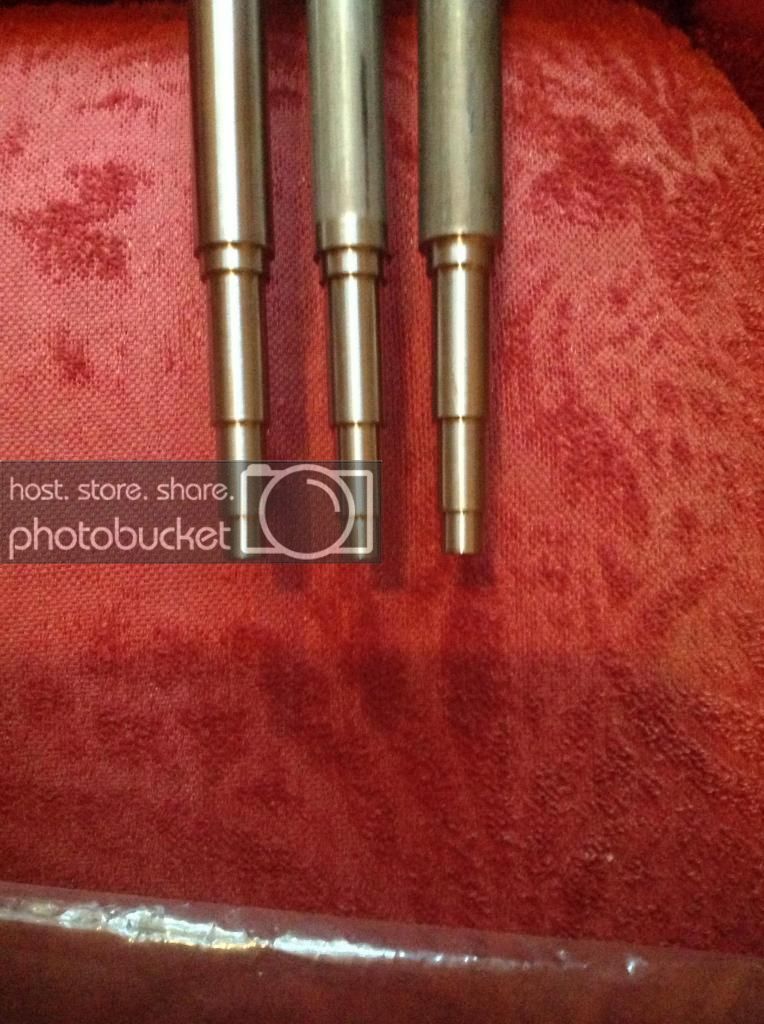
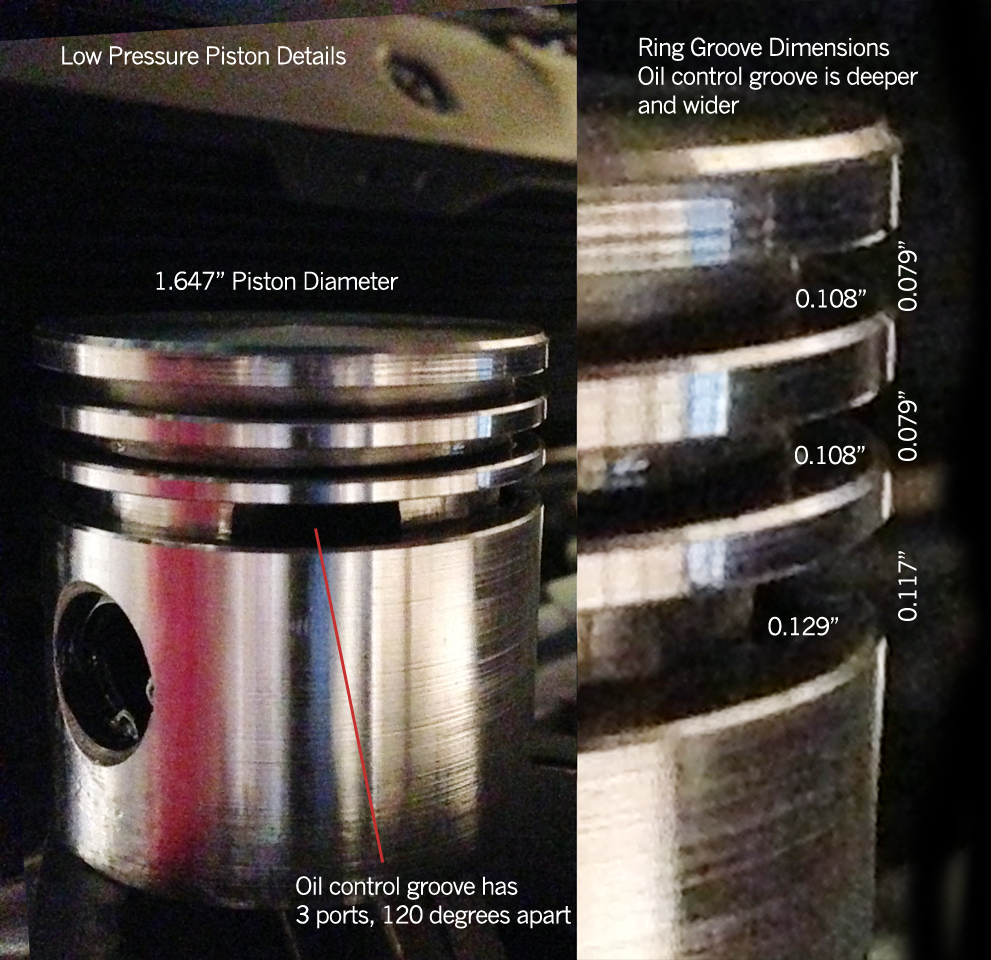
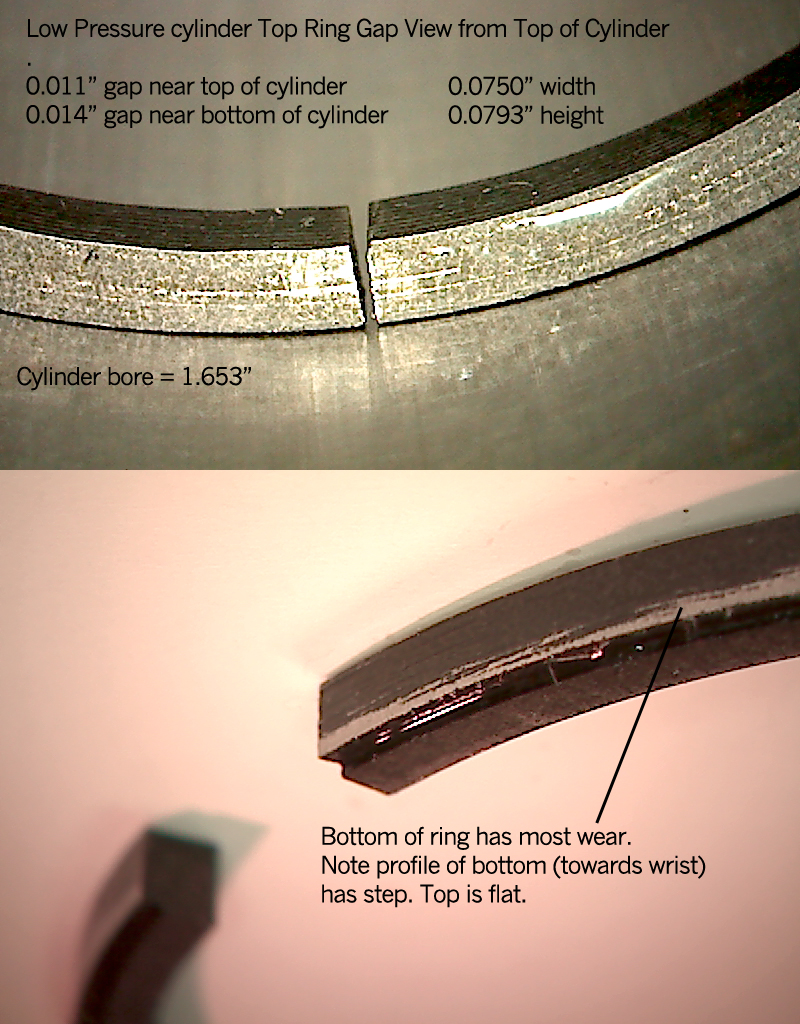
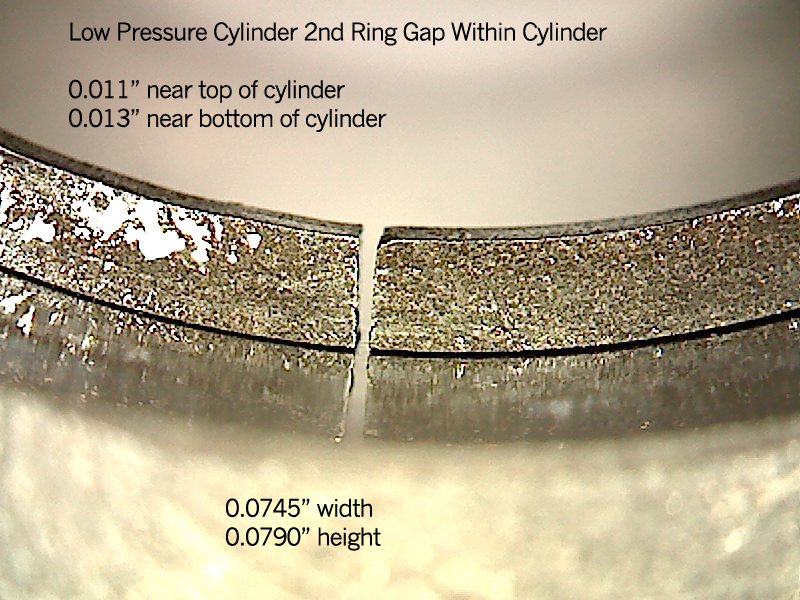
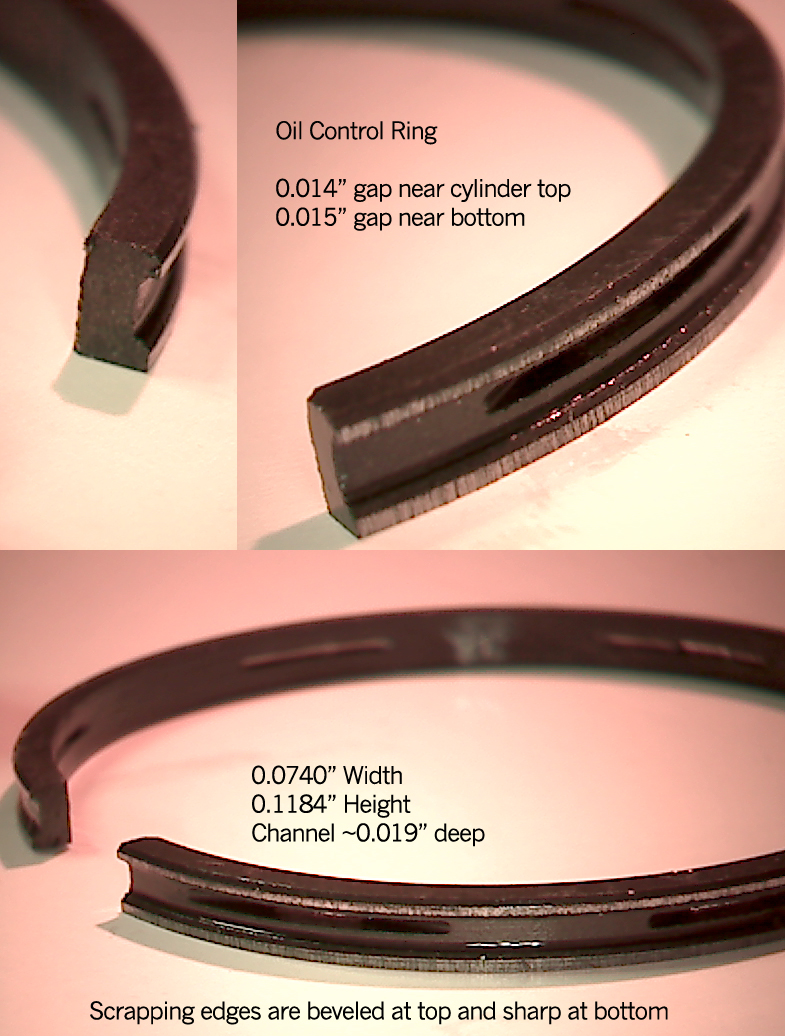
Piston and Piston Ring Measurements
http://www.talonairgun.com/forum/viewtopic.php?f=52&t=34635&start=60#p359151
O-ring Sizes
http://www.talonairgun.com/forum/viewtopic.php?f=52&t=34635&start=40#p358769
Latest changes
5/21/2016
No Mrodair fix for the oil in air contamination issues. Lower pressure cylinder consumes oil severely. Small engine shop evaluation suggested piston and cylinder tolerance are too large to ever effect a seal. Without a way to fix that problem, the compressor is unsafe to use. My unit is now going to another victim/owner for use as a parts donor.
If you are contemplating this compressor… my painfully earned advice is to buy from a different dealer and get a Shoebox or save up for a full scale dive compressor. The Mrodair Airmax Extreme compressor is a poor quality product you will most likely regret.
All Replies




- You must be logged in to reply to this topic.
High pressure cylinder bore is 10 mm. I don’t trust my Mitutoyo analog as much for aligning perfectly in the small bore.
So I verified by test fitting a new HP ring. it goes in snug. The board diameter is a couple thousands bit smaller than the ring’s OD of 0.499″
That makes sense since this is a metric machine. A tad smaller than 0.499″ is 10.0 mm.
I have emailed the ring gap info to MrodAir, but I’m pretty sure I’m not the most popular person there. Although I didn’t create the machine’s design and build issues. It’s unfortunately, natural to be angry at the messenger. I didn’t do anything wrong but I’ll be perceived as creating the problems rather than uncovering them.
At least I’m helping out fellow air gunners understand how this thing is put together, where the weak points are, and how to address some of them. Unfortunately, that’s not going to make me a popular name or priority in AR.